
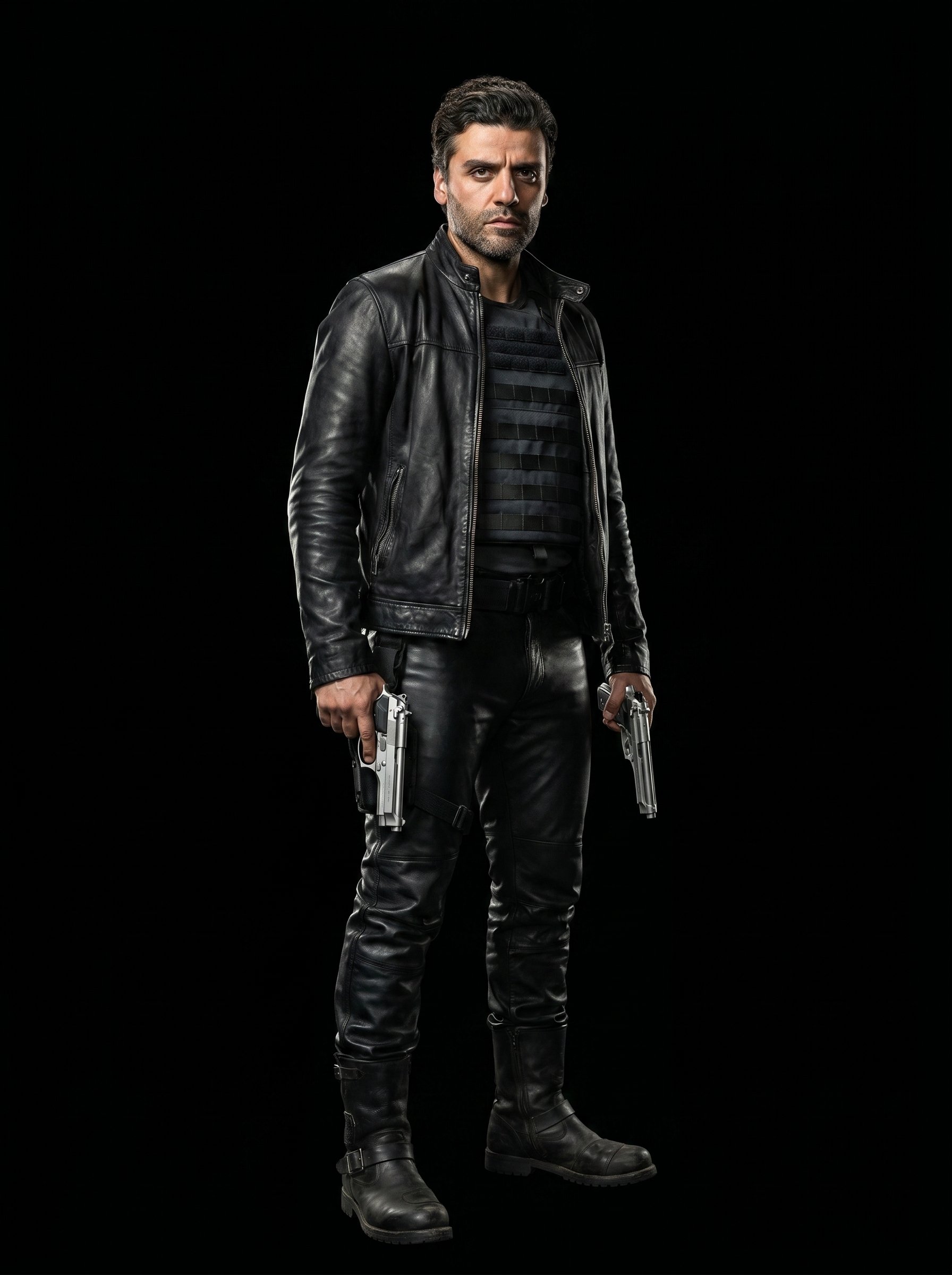


A man who opened himself to one of the old destroyers in exchange for thirty years of vengeance discovers — too late — that he was never the weapon.
He was always the door.
And something ancient is ready to walk through.
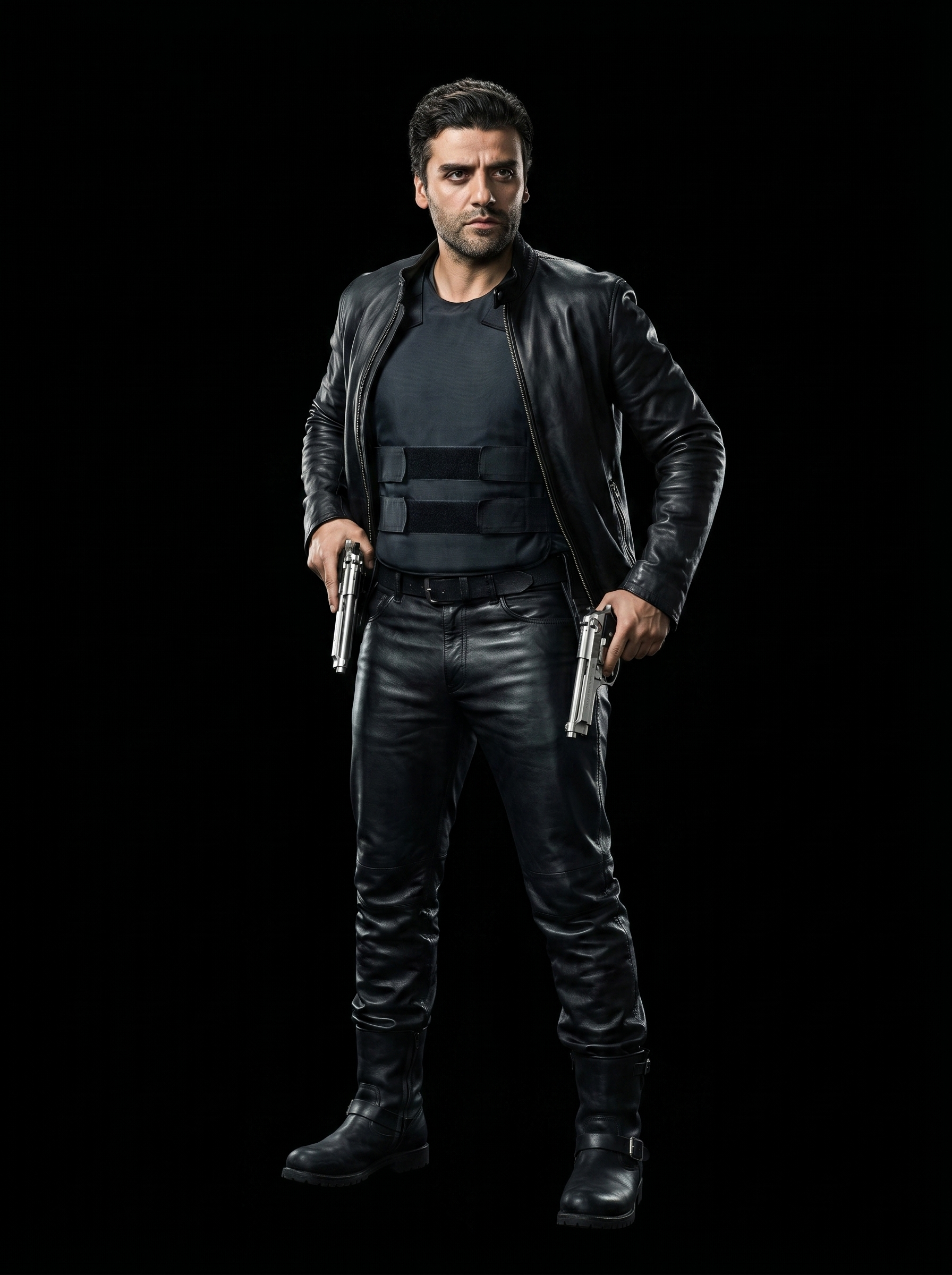
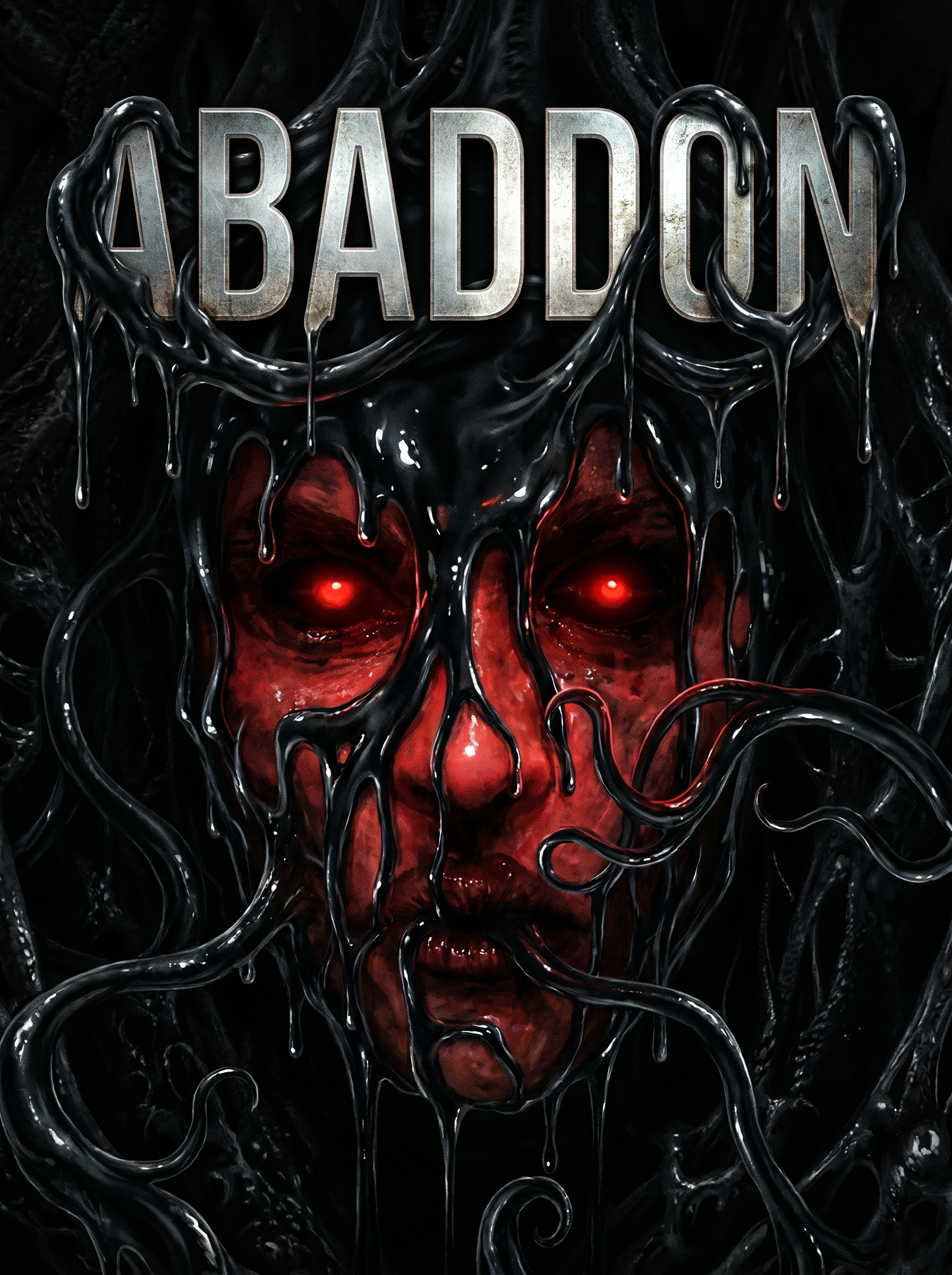
CAIN (38) has spent his entire adult life building toward a single act of vengeance against SOLOMON CROSS — the crime lord who ordered the murder of his family when Cain was eight years old. To reach him, Cain made a deal: he opened himself to ABADDON, one of the ancient destroyers, which inhabits his body at night and does his bidding, retreating at dawn.
The cost is progressive and intimate. Each summoning, the demon takes something — memories, senses, the small human joys that make a life worth living. His mother's laugh was one of the first things to go. He keeps an inventory notebook, dated and clinical, because the facts are still his even when the feelings aren't.
Watching over him is ANGEL — a Watcher, not just a guardian — who has been beside Cain since the night of the fire. She cannot stop him. She will not leave him. She knows the demon's endgame has nothing to do with Cross.
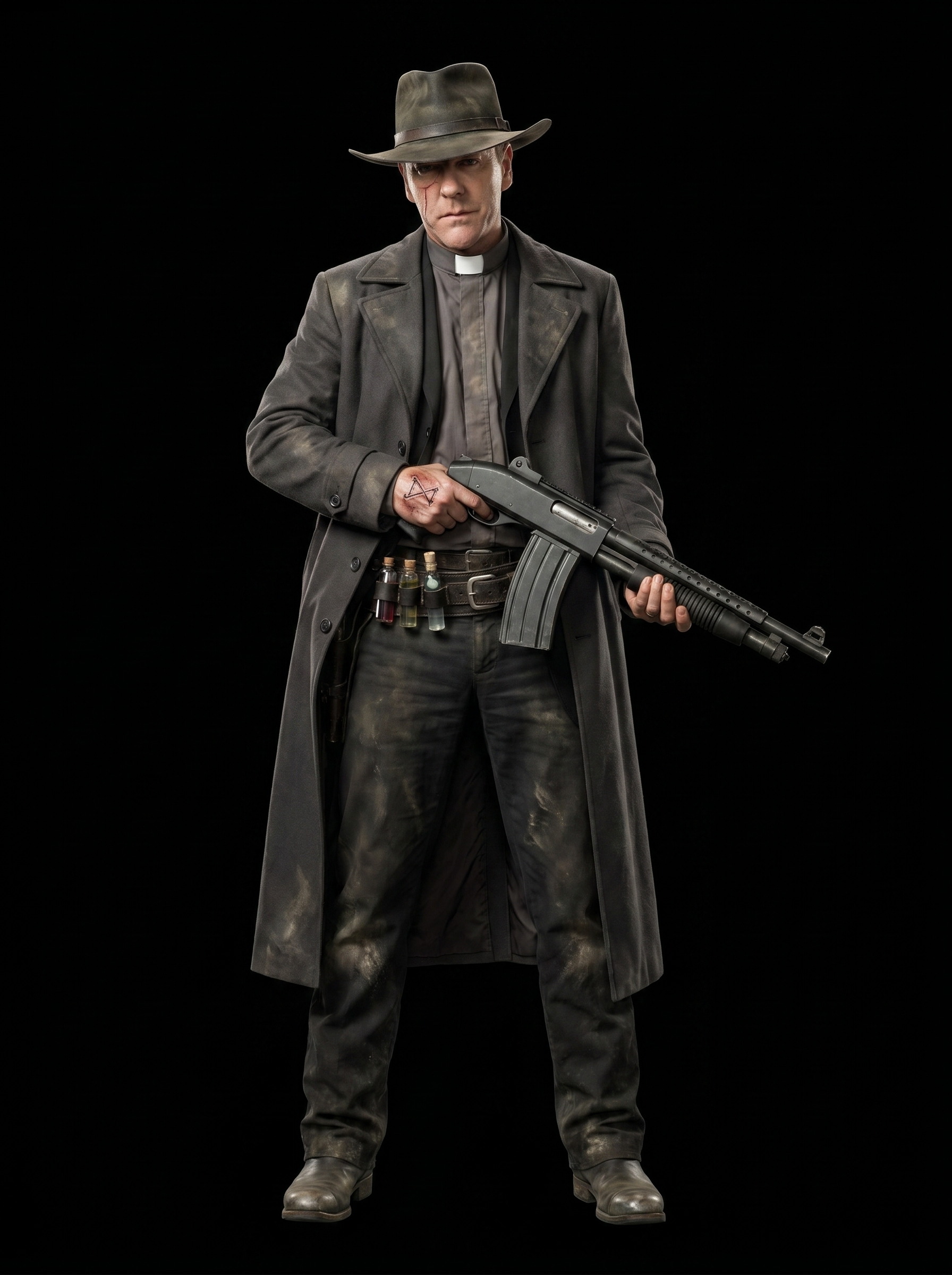
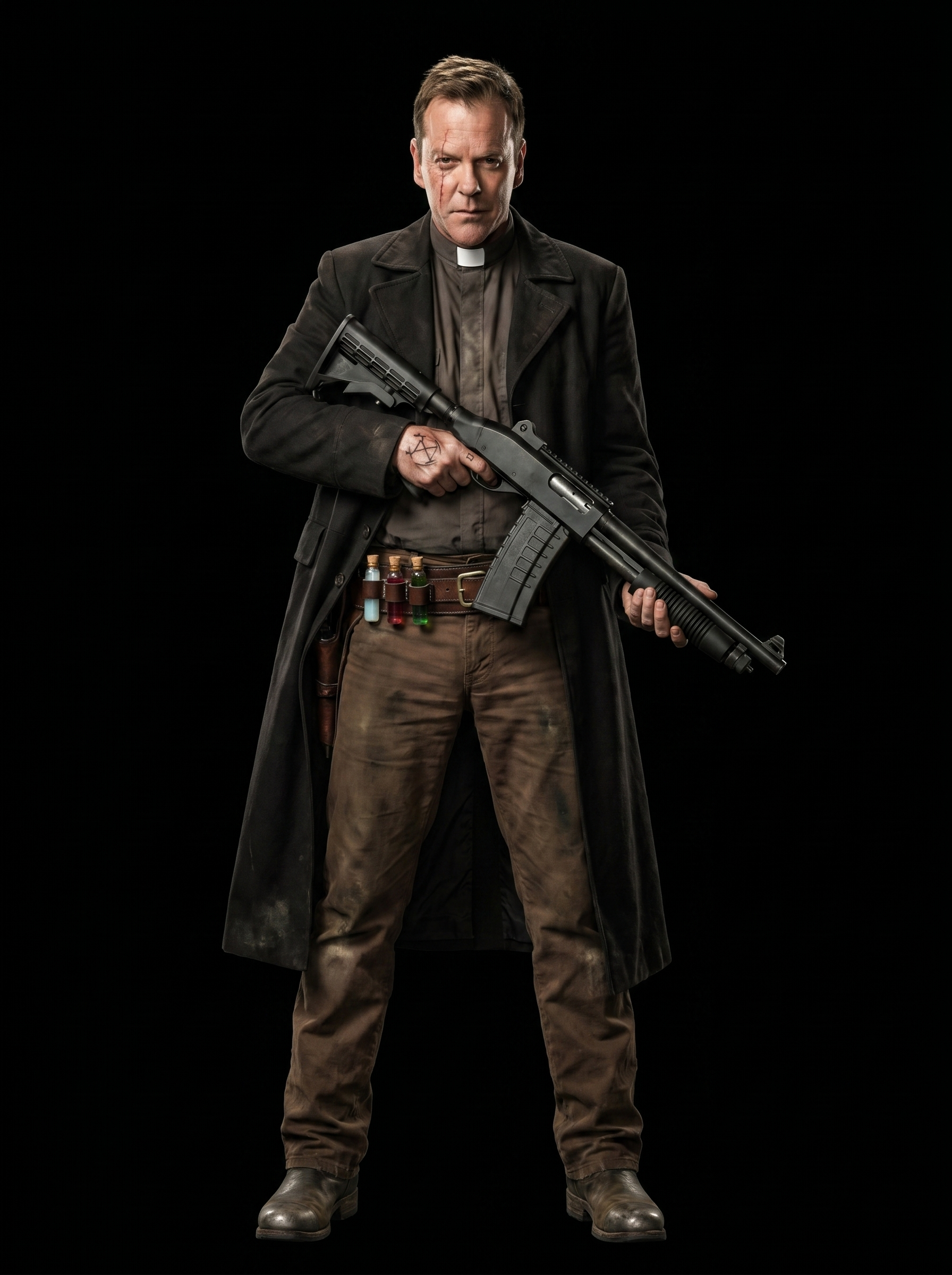
Into this arrives PREACHER — a hunter in his sixties, hired by Cross to stop the demon. He carries an angel's blade scar and thirty years of his own accounting. He has seen the scrying vision: the boy, the mountain, the sigil, the bottomless pit. Lucifer ascending. The end of everything.
The film ends with Cain understanding, finally, what he has always been. It doesn't stop him. He pulls the trigger because he knows he is the lock — and as long as he breathes, the door stays open.
ABADDON is built on characters who carry contradictions — not as complexity for its own sake, but because the story demands people who have been living with impossible things for a very long time.
Abaddon cannot be killed. Kill the host and you sever the connection — drive it back off this plane. For how long, unknown. Long enough.
The demon's long game is the film's central reversal: Abaddon was never Cain's weapon. Cain was always the demon's vehicle. The deal, the rage, the thirty-year obsession with Cross — all of it directed toward the cathedral, toward the counter-spell Cain would build himself, toward the cage opening. Cain built the key to his own lock without knowing it.
In the rail yard, during the separation ritual, through the fury and compression — something that looks like satisfaction crosses the demon's face. Preacher doesn't see it. We do. On second viewing, the whole film changes.
ABADDON occupies a specific and currently hungry space: prestige supernatural thriller with genuine character weight. Not a franchise setup. Not a reboot. An original story with a defined world, a clean ending, and the architecture for continuation if the audience demands it.
The tone sits between Drive's controlled intensity and Constantine's mythological reach, with the domestic dread of Hereditary and the moral accounting of Se7en. The audience for elevated horror and prestige genre has never been larger.
Neil Kellen is a filmmaker, director, and storyteller based in Henderson, Kentucky. He has been making professional film and video work for over two decades, with broadcast credits across CBS, ABC, and regional affiliates in three states.
His documentary Never Forget Never Again: The Simon Spiegelman Story earned an Emmy nomination. His short films Elysian and A Wedding Like That are award-winning. ABADDON is his feature screenplay debut — five drafts, final form, ready for submission.
Neil brings a filmmaker's eye to everything on the page. The visual precision, the sound design instincts, the understanding of what a camera can carry that dialogue can't — all of it is in this script.